
When choosing kitchen faucets, many overlook a crucial indicator: weight. A high-quality all-brass kitchen faucet feels noticeably heavy compared to standard alloy faucets. This weight is more than just a tactile difference—it reflects durable materials and stable performance. For households seeking long-lasting quality, a hefty brass faucet ensures leak-free, deformation-resistant operation. This guide explains the weight advantage of brass faucets and how to select kitchen faucets that combine practicality with a premium feel.
1. Understanding the Weight Difference: Brass vs. Standard Alloy Faucets
Pick up a brass kitchen faucet and compare it to a standard alloy faucet, and the first thing you’ll notice is the weight difference. Brass faucets often weigh 30%-50% more due to three key factors:
Material Purity: High Copper Content in Brass Faucets
Brass faucets: Premium all-brass faucets use H59/H62 brass, containing 59%-62% copper, with trace amounts of zinc or tin to enhance hardness. Brass has a density of roughly 8.5 g/cm³, giving the faucet a solid, substantial feel.
Alloy faucets: Typically a mix of zinc alloy and plastic, with density around 6.5 g/cm³. Some internal parts may be hollow or filled with plastic, making the faucet considerably lighter—sometimes only half the weight of a comparable brass faucet.
Structural Design: Thick-Walled Brass vs. Thin Alloy
Brass faucets: Thick walls (2.5–3 mm) and solid internal structure enhance durability, especially around valve chambers and connection points.
Alloy faucets: Thin-walled (1–1.5 mm) designs often include hollow cavities to reduce cost and weight, which increases the risk of cracking over time.
Component Material: Full Metal vs. Plastic Parts
Brass faucets: Valve cores, nuts, and handles are all metal (e.g., ceramic valve cores, brass nuts), contributing 20%-30% of total weight.
Alloy faucets: Many components are plastic, including handles and sometimes valve cores, lowering overall weight and quality.
In short, the weight of a brass faucet comes from high-purity material, a solid thick-walled design, and all-metal components, while the lightness of alloy faucets reflects lower-quality materials and cost-cutting measures.
2. Benefits of Hefty Brass Faucets
The advantage of a heavy brass faucet goes beyond tactile satisfaction—it translates into practical value for high-frequency use in kitchens.
Greater Stability: Reduced Movement and Leak Risk
Heavy brass faucets, including kitchen faucets with sprayers, remain stable during operation. Lightweight alloy faucets can shift under force, loosening seals and causing leaks—a common failure after 1–2 years.
Enhanced Durability: Corrosion and Deformation Resistance
Corrosion resistance: Brass develops a protective oxide layer that resists rust and chemical damage from detergents.
Deformation resistance: Brass hardness and toughness prevent dents or cracks from minor impacts, unlike brittle alloy faucets.
Premium brass kitchen faucets typically last 8–10 years, compared to 3–5 years for alloy alternatives, offering superior long-term value.
Smooth Operation: Effortless Control
Precision machining of brass faucets ensures smooth handle movement and precise water temperature adjustment. Alloy faucets may become stiff or uneven over time due to material and processing limitations.
3. How to Choose: Three Steps to Identify Genuine Brass Faucets
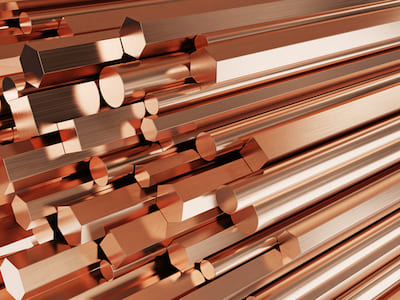
Many faucets labeled “brass” are only coated; their weight and durability fall short of true brass. Follow these steps to avoid pitfalls:
Step 1: Check the Weight
Compare similar models. A heavier faucet is more likely genuine brass.
Single-handle brass faucets weigh 1.5–2 kg, and pull-down models weigh 2.5–3 kg.
Alloy equivalents typically weigh less than 2 kg.
Step 2: Verify Material
Look for markings such as “H59 brass” or “solid brass body.”
Check exposed surfaces or removable components: brass has a uniform golden color, while alloys may appear whitish or speckled.
Step 3: Select Practical Styles
Prioritize functional designs over decorative complexity.
Single-handle pull-down faucets: Convenient for cleaning sinks, easy temperature adjustment.
High-arc faucets: Ideal for large or double sinks, providing wide coverage.
Touchless faucets: Reduce contamination and improve hygiene.
For a curated selection of premium brass kitchen faucets, visit https://salekitchenfaucets.com/shop/, which lists weight, material, and installation details.
4. Maintenance Tips: Preserve the Hefty Feel
Proper care prolongs the premium experience:
Regular cleaning: Weekly wipe with a soft cloth and mild detergent; avoid abrasive brushes. Dry thoroughly after cleaning.
Prevent impact: Avoid striking the faucet with utensils; retract pull-down sprayers gently.
Inspect periodically: Check connections every 3–6 months and tighten or replace seals as needed.
5. Weight as a Mark of Quality
The substantial weight of brass kitchen faucets is not a burden—it reflects superior materials and craftsmanship. Hefty brass faucets offer better stability, durability, and tactile experience, making them the preferred choice for families seeking long-term reliability. Selecting all-brass models ensures a kitchen fixture that is both practical and premium.
For high-quality brass faucets, including single-handle, pull-down, and touchless kitchen faucets, visit https://salekitchenfaucets.com/shop/ to find options with full material and weight specifications, along with installation guidance.