The 500,000-Cycle Faucet: What Lab Tests Really Say About Kitchen Faucet Durability

After eight years of testing home fixtures and disassembling over 20 brands, I’ve learned the most critical part of a kitchen faucet is hidden: the cartridge. A faucet’s performance and lifespan hinge on this component. When a model boasts a “500,000-cycle test certification,” it’s not marketing fluff—it’s a promise backed by rigorous industry lab standards. Here’s what that number actually means for your daily use.
Decoding 500,000 Cycles: How Many Years of Use Is That?
Let’s translate that into real life. The average household uses a kitchen faucet 15-20 times per day. At 20 times daily, 500,000 cycles equates to roughly 68 years of use. Even in a busy home using it 40 times daily, that’s over 34 years.
This data comes from independent lab tests that simulate extreme conditions:
- Thermal Cycling: Alternating between 80°C (176°F) hot water and 10°C (50°F) cold water.
- Pressure Testing: Enduring water pressure fluctuations from 0.05 to 1.6 MPa, covering all home water systems.
- Frequency: Cycles are performed at a rapid 30 cycles per minute.
After this punishing half-million cycles, a certified cartridge must still operate smoothly with zero leaks.
By contrast, standard cartridges are often rated for only 100,000 to 200,000 cycles, which can translate to leaks or stiffness in as little as 3-8 years. The 500,000-cycle rating is essentially a longevity guarantee.
Inside the Lab: The “Devil’s Testing” Beyond Simple Cycling
The cycle count is just the headline. To earn certification, a ceramic disc cartridge survives a battery of brutal simulations:
- Thermal Shock Test: The cartridge is repeatedly cycled between -5°C (23°F) and 90°C (194°F). This ensures it won’t leak due to material expansion and contraction in climates with hard winters or from constant hot-cold kitchen use.
- Pressure Surge Test: Water pressure is violently fluctuated between very low (0.02 MPa) and very high (1.8 MPa) for 72 hours straight. This certifies the faucet won’t deliver sudden blasts of water or temperature swings when other appliances in your home turn on or off.
- Abrasion & Corrosion Test: The cartridge is immersed in hard water (high in chlorine and minerals) for 30 days while being cycled. This proves the ceramic discs—made from zirconium dioxide, a material second only to diamond in hardness—resist scaling, corrosion, and wear. This is the core reason they outlast metal or plastic cartridges.
The Daily Benefits of a High-Cycle Ceramic Cartridge
This engineering translates to tangible advantages in your kitchen:
- Smooth, Precise Control: A single-handle kitchen faucet with this cartridge offers buttery-smooth operation. A slight turn adjusts temperature and flow with precision, eliminating the frustrating “nothing-nothing-SCORCHING” hunt for the right setting. It’s easy for all ages.
- Leak-Free Seal & Water Savings: The microscopically flat, polished ceramic discs create a perfect seal. This eliminates drips that waste water (up to 15% savings compared to a worn cartridge) and prevents the annoyance of a leaking faucet.
- Built for Stability Anywhere: This level of durability makes the faucet suitable for demanding environments like RVs (Recreational Vehicles) or small commercial kitchens, where vibration and constant use are the norm. Paired with a solid brass valve body, it resists rust and failure in perpetually damp conditions.
How to Choose: 3 Ways to Spot a Quality Cartridge
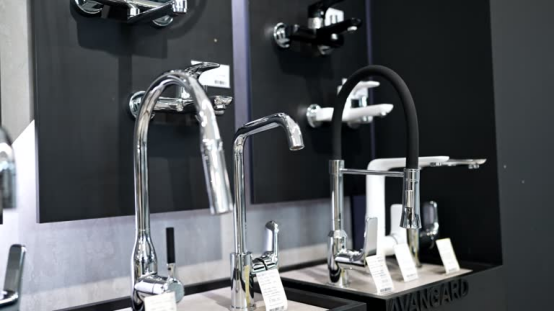
Don’t just judge a faucet by its looks. Use these tips to find a durable core:
- Look for the Certification: Prioritize faucets that specify a high cycle test rating (200,000+) and mention third-party lab verification. Generic claims like “long-lasting” are meaningless.
- Do the “Feel” Test: In-store, turn the handle. A quality ceramic cartridge feels smooth, consistent, and solid with no gritty sensation, looseness, or sudden resistance.
- Check Materials: The best combination is a ceramic cartridge inside a brass valve body. Avoid lightweight faucets with zinc alloy or plastic bodies, as they often contain inferior cartridges prone to early failure.
Conclusion: Invest in the Heart of the Faucet
Your kitchen faucet experience starts with the cartridge. A model built around a 500,000-cycle certified ceramic cartridge solves the core frustrations of leaks, stiffness, and premature failure. It’s an investment that pays off in seamless operation, water conservation, and peace of mind for decades.
When you add practical features like a pull-down sprayer and 360° swivel, you get a tool that truly elevates your kitchen.