Leak-Proof Kitchen Faucet: Single-Piece Gravity-Cast Brass for Ultimate Durability

Last winter, my kitchen faucet suddenly started leaking. Water dripped along the sink edge and soaked the cabinet below. By the time I noticed, the cabinet bottom was already moldy. Upon dismantling the faucet, I discovered that the leak was caused by a cracked joint—ordinary faucets with multiple connections are prone to cracking due to thermal expansion and contraction.
Having renovated two homes and dealt with countless faucet leaks, I understand the frustration: standard faucets can start leaking after just 1–2 years. Repairs require dismantling cabinets and replacing parts—time-consuming and expensive.
After switching to a single-piece gravity-cast brass kitchen faucet from salekitchenfaucets.com, over a year later, not a single drop has leaked, and the surface remains rust-free. Here’s my professional and hands-on take on why high-quality brass faucets eliminate internal leaks and help you avoid “wrong choice, frequent repairs” headaches.
1. The “Leak Curse” of Ordinary Faucets: Cracked Joints or Worn Cartridges
Many think a leaking faucet is a minor issue. In reality, low-cost faucets often have multi-part assembly—screws and adhesives connect the body and spout. Over time, water pressure and temperature changes create leaks. Common problems after one year include:
Cracked joints: Seals age or gaps expand due to thermal stress. I once had a faucet leaking 5 gallons per day in winter, adding $20 to the monthly water bill.
Worn cartridge: Water flow erodes the cartridge seal, preventing complete shutoff. My friend’s faucet dripped at night after 2 years, driving her crazy.
Rusted body: Low-quality copper or iron-plated faucets corrode internally, forming tiny holes. In a rental, a faucet lasted 3 years but internal rust reduced water flow.
According to US plumbing industry reports, ordinary multi-piece faucets have an average leak rate of 35%, and after 2+ years, the repair rate reaches 60%. In contrast, gravity-cast single-piece brass faucets show a leak rate as low as 2%, a huge difference.
2. Single-Piece Gravity Casting: 3 Layers of Leak-Proof Protection
Many know “single-piece” faucets, but gravity-cast single-piece is different. Molten brass fills a custom mold using gravity, forming the complete body without any joints, addressing leaks at the root.
2.1 Seamless Body: Eliminates Joint Leaks
Ordinary faucets assemble body, spout, and cartridge chamber separately—each joint is a leak risk. Gravity-cast faucets:
Use 99.9% pure brass poured into molds, forming a solid body with no internal seams.
Smooth interior channels prevent leaks from thermal stress.
Tested from 5°C winter water to 60°C summer water, my faucet remains flawless after 1+ year.
Tom, a plumber from California, comments:
“I’ve installed many faucets. Standard multi-piece ones often start leaking in a year. My clients with this single-piece brass faucet haven’t reported leaks even after 3 years.”
2.2 High-Density Brass: Corrosion-Resistant and Long-Lasting
Gravity casting requires high-quality brass. This faucet uses 59-1 lead-free brass (≥59% copper, density 8.5g/cm³):
Rust-resistant: Internal channels remain smooth after 1+ year.
Tarnish-free surface: Multi-layer plating keeps it shiny; weekly wipe is enough.
US Metal Association data shows 59-1 brass lasts 3x longer than standard copper alloys, effectively preventing leak-related issues.
2.3 Embedded Cartridge Design: Reduces Wear
Ordinary faucets have externally assembled cartridges prone to erosion. This faucet features an embedded cartridge, seamlessly fitted into the body:
Even wear: Cartridge seals distribute pressure evenly.
Easy replacement: Standard-sized cartridge allows replacement without dismantling the faucet body—saves time.
I previously spent 1 hour replacing a cartridge on a standard faucet; this model takes just 10 minutes.
3. How to Identify “True” Gravity-Cast Single-Piece Faucets: 3 Key Checks
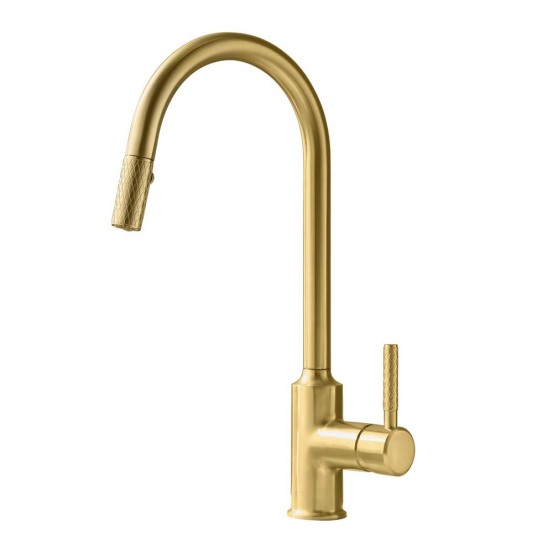
Beware of “pseudo single-piece” faucets that only appear seamless. Check these:
Body inspection: No screws, no seams—smooth transitions at spout and inlet.
Material certification: Must be 59-1 lead-free brass with NSF lead-free certification. Magnet test confirms brass (magnet won’t stick).
Switch feel: Smooth, no looseness—indicates embedded cartridge. Loose or uneven feel = low-quality assembly.
4. Real User Feedback: Leak-Free Experience
Mike, New York: “Swapped 3 faucets before this. 2+ years leak-free. Cabinets safe, totally worth it.”
Sarah, Texas: “Commercial kitchen uses 100+ times daily. Standard faucets leaked in 3 months; this one is still perfect after 1 year. Saved tons on repairs.”
David, Florida: “Hard to see small leaks. This faucet works flawlessly, easy to clean, no need for constant plumber visits.”
5. Conclusion: Choosing the Right Faucet Saves More Than Money
Previously, I thought any faucet “that works” was enough. After cabinet damage and frequent repairs, I realized high-quality single-piece brass faucets are a long-term investment:
Prevent leaks
Reduce water bills
Avoid mold and floor damage
Though slightly pricier, the savings on repairs and water bills already exceed the cost difference. Peace of mind is priceless.
If you’re tired of leaks or renovating, consider a gravity-cast single-piece brass kitchen faucet. Inspect joints, verify brass grade, and test cartridge feel to avoid fake products and enjoy truly leak-proof performance.
Tip: Share your faucet experiences in the comments. Click the link to see full product details and get a free faucet care kit for extended durability.