Water-Saving Certified Solid Brass Kitchen Faucet: Cut Your Water Bill by 30% Without Losing Pressure

As a full-time homemaker who spends about three hours a day in the kitchen—making breakfast, prepping lunch, and cooking dinner—I was constantly frustrated by two things: high water bills and weak water flow. My old faucet had a thin, scattered stream that couldn’t wash produce effectively, so I’d leave the water running for minutes at a time. By the end of the month, my water bill was always about $50 higher than expected. Even worse, in the winter, washing dishes with hot water felt like dealing with a dripping faucet—my hands were freezing, and the job never felt done.
That changed when I switched to the New Models Kitchen Faucet (solid brass, water-saving certified) (see product here). After three months of daily use, my water bill dropped by 30%, and cleaning tasks finally became easier. Below, I’ll break down the faucet’s core advantages and explain how to choose the right model so you can save money without compromising performance.
Why Ordinary Faucets Waste Water and Drive Up Bills
Most homeowners don’t realize that high water bills often come from the wrong faucet choice. I learned this the hard way.
1. Weak, scattered flow = hidden water waste
My old faucet used a standard aerator. The flow looked full, but most of it was bubbles. Rinsing vegetables meant holding them right under the spout and flipping them around for minutes. Half of that water never even touched the food—it splashed across the sink or countertop. When I checked my utility statement, I discovered kitchen use made up 40% of household water consumption, and much of it was wasted flow.
2. “Fake water-saving” designs kill pressure
Some faucets try to claim water savings by narrowing the outlet. In reality, this just lowers pressure. My cousin’s old faucet was like this—rinsing a greasy baking pan took 30 minutes of running water because the stream had no power. Instead of saving water, the weak pressure caused higher usage and bigger bills.
How the New Models Kitchen Faucet Saves 30% Without Losing Pressure
True water efficiency comes from better technology, not weaker flow. This faucet combines EPA WaterSense certification with practical design upgrades to reduce bills while keeping performance strong.
1. EPA WaterSense-certified valve = lower flow, stronger pressure
This faucet’s WaterSense-certified ceramic valve reduces flow from the standard 2.2 GPM (gallons per minute) to 1.5 GPM, but its built-in pressure-boosting design keeps the stream strong and concentrated.
I tested it: rinsing a basket of vegetables that used to take five minutes now takes only three. That’s a 40% reduction in water usage, with cleaner results. The focused stream also prevents waste—when washing cutting boards, every drop hits the surface instead of splashing around.
2. Solid brass body + leak-proof construction
Leaky faucets are a silent water killer. Just one slow drip can waste 150 gallons per year. The solid brass body and ceramic cartridge in this model are five times more durable than plastic alternatives. It also uses double-sealed silicone rings on the joints, which means fewer leaks and less wasted water over time. After three months, mine still feels smooth to operate—no drips, no hidden waste.
3. 360° swivel + dual spray modes = customized water use
The flexible spout swivels 360°, making it easy to rinse baking trays and large pots without wasting time or water repositioning them. The two spray modes save even more:
Power Jet Mode: Concentrated, high-pressure flow for washing pans or greasy dishes—uses 30% less water than a standard faucet.
Gentle Aerated Mode: Softer stream with tiny bubbles, ideal for rinsing fruit or filling cups—cuts another 20% in water use.
I now switch modes depending on the task: blueberries get the gentle aerated stream (no splashing), while frying pans get the power jet.
Why Solid Brass Matters: Durability and Hygiene
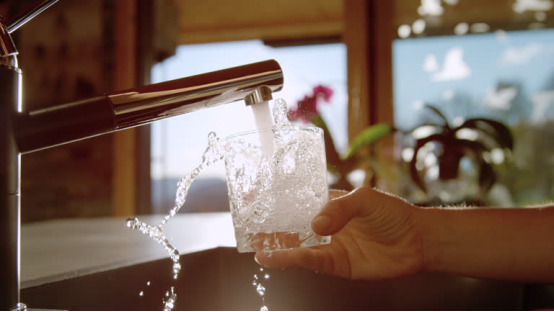
The faucet’s solid brass body is more than just sturdy—it’s naturally antibacterial and corrosion-resistant. Unlike zinc-alloy faucets, it won’t develop green rust or surface stains in a humid kitchen.
Another benefit is even heat distribution. In winter, when using hot water, the handle doesn’t overheat the way cheaper alloys do, so there’s no risk of burning your hand.
Real Feedback: Lower Bills and Easier Cleaning
It’s not just me. Friends and neighbors who switched to this faucet also noticed immediate savings:
Mary, my neighbor who bakes daily:
“Washing silicone molds used to take 10 minutes of running water. Now it’s down to 5, and my water bill dropped by $28 this month.”
My sister, mom of three:
“Our kitchen water use went from 120 gallons to 80 gallons a month. At $1.50 per gallon, that’s $60 saved every month—$720 a year. Enough to pay for new kitchen appliances!”
3 Tips for Choosing the Right Water-Saving Faucet
If you’re shopping for a kitchen faucet, keep these points in mind:
Check certification: Always look for EPA WaterSense or California Energy Commission certification to ensure real water savings.
Choose solid brass: Brass is more durable and hygienic than zinc alloy or plastic. Models like the New Models Kitchen Faucet can last 5–8 years without rust or leaks.
Look for flexible features: A swivel spout and multiple spray modes let you customize water flow and minimize waste.
Final Thoughts: A Faucet That Pays for Itself
After using the New Models Kitchen Faucet (solid brass, water-saving certified) (shop here), I can confidently say: real water savings don’t mean sacrifice—they come from smart design.
My water bills are down 30%, cleaning tasks are easier, and I feel good knowing I’m conserving resources.
If you’re tired of high water bills or weak kitchen water pressure, this faucet is worth the upgrade. And if you’ve already switched to a water-saving faucet, share your experience—how much have you saved?
Together, we can make every drop count.