
When I replaced my kitchen faucets last month, I ran into a common problem: the double-handle faucet I bought didn’t match the sink’s holes. Either extra holes were left exposed, or I had to hire a professional to drill new ones. Switching to a single-handle kitchen faucet solved all these issues. Designed to fit most standard sinkholes, it installs quickly without modifications or specialized tools. Here’s a detailed guide on the advantages, installation tips, and selection advice for single-handle kitchen faucets, so you can avoid the hassle of incompatible sinks.
Why Single-Handle Kitchen Faucets Fit Most Sinks
Many homeowners overlook sinkhole compatibility before buying kitchen faucets. The majority of kitchen sinks follow standard hole patterns, and single-handle faucets are designed accordingly. Here’s why they are “ready to install” for most sinks:
1. Compatible with Common 1-Hole and 3-Hole Sinks
Over 90% of kitchen sinks in the U.S. are either 1-hole (3.5–4 cm diameter for the main faucet) or 3-hole (1 central hole plus 2 side holes spaced 10–15 cm apart). The base of a single-handle kitchen faucet covers both types:
For 1-hole sinks, the faucet passes through the main hole and mounts directly.
For 3-hole sinks, the base conceals the two auxiliary holes, eliminating the need for additional covers or professional work.
For example, my 3-hole sink worked perfectly with a single-handle kitchen faucet, covering the side holes neatly without extra effort—much more flexible than a double-handle model, which must align all three holes.
2. Universal Installation Hardware
Single-handle kitchen faucets come with standard mounting nuts and water lines, compatible with most sink thicknesses (1–3 cm) and connections. Unlike some specialty faucets requiring specific nuts or short hoses, single-handle models work out of the box. My countertop is 2 cm thick, and the included nuts and hoses fit perfectly without extra trips to the hardware store.
For more details on sinkhole compatibility and faucet models, check the kitchen faucet shop with installation guides and user reviews.
Extra Benefits of Single-Handle Kitchen Faucets
Beyond compatibility, single-handle kitchen faucets offer practical advantages in daily use:
1. Precise One-Handed Temperature Control
Double-handle kitchen faucets require adjusting both hot and cold handles, which can be inconvenient and inconsistent. Single-handle faucets allow:
Up-down movement to control water flow
Left-right rotation to adjust temperature
This one-hand control makes tasks like washing vegetables much easier. My elderly relatives now control temperature effortlessly without adjusting two handles.
2. Compact Design Saves Counter Space
The single integrated handle reduces clutter. On smaller sinks, double-handle kitchen faucets can occupy significant counter space. Single-handle faucets leave more room for soap dispensers and sponges, keeping the sink area neat and organized.
Easy DIY Installation in Three Steps
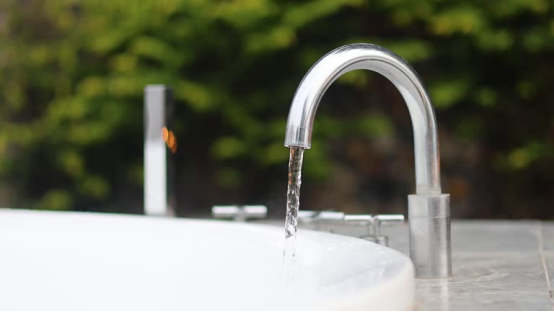
Installing single-handle kitchen faucets is straightforward and typically takes under 30 minutes. You only need a wrench and plumber’s tape:
1. Remove the Old Faucet
Turn off hot and cold water valves under the sink, then open the faucet to drain remaining water. Use a wrench to disconnect supply lines and remove mounting nuts. If the nuts are rusty, apply penetrating oil for easier removal.
2. Install the New Faucet
Place the single-handle kitchen faucet through the main hole, add the washer and mounting nut underneath, hand-tighten, then secure with a wrench. On 3-hole sinks, the faucet base covers the side holes; if gaps remain, use the included decorative cover.
3. Connect Water Lines
Wrap plumber’s tape clockwise on the faucet’s water inlets, attach the supply lines, and connect them to the valves. Ensure cold water connects to the blue-marked valve and hot to the red. Open valves and check for leaks; tighten slightly if needed.
For a detailed installation guide for different sink types, see single-handle faucet installation instructions.
Selection Tips for the Best Single-Handle Kitchen Faucets
To get a durable and user-friendly kitchen faucet, consider these three factors:
1. Faucet Cartridge Material
Choose faucets with ceramic cartridges. They are wear-resistant, temperature tolerant, and leak-free for 5–8 years. Avoid plastic cartridges, which may wear quickly and drip.
2. Water Flow Modes
Opt for kitchen faucets with multiple flow modes, such as stream (for washing dishes) and spray (for washing produce). A faucet with versatile modes improves usability significantly.
3. Height and Reach
For large sinks, choose high-arc kitchen faucets for better coverage. Small sinks benefit from lower-profile models to prevent splashing. Measure your sink dimensions to select a faucet with appropriate height and spout reach.
For high compatibility and brand comparisons (e.g., Moen, Kohler, Delta), visit single-handle faucet reviews, featuring specifications, user experiences, and practical tips.
Conclusion: Hassle-Free Faucet Upgrade
Single-handle kitchen faucets solve the common problem of “incompatible sink holes” with standard hole design, easy DIY installation, and user-friendly operation. They are practical, save space, and make daily kitchen tasks smoother. If you need to replace your kitchen faucets without stress, a single-handle model is the ideal choice. Have you ever faced sinkhole compatibility issues when replacing a kitchen faucet? Share your experiences or favorite single-handle kitchen faucets in the comments to help others avoid installation pitfalls.